
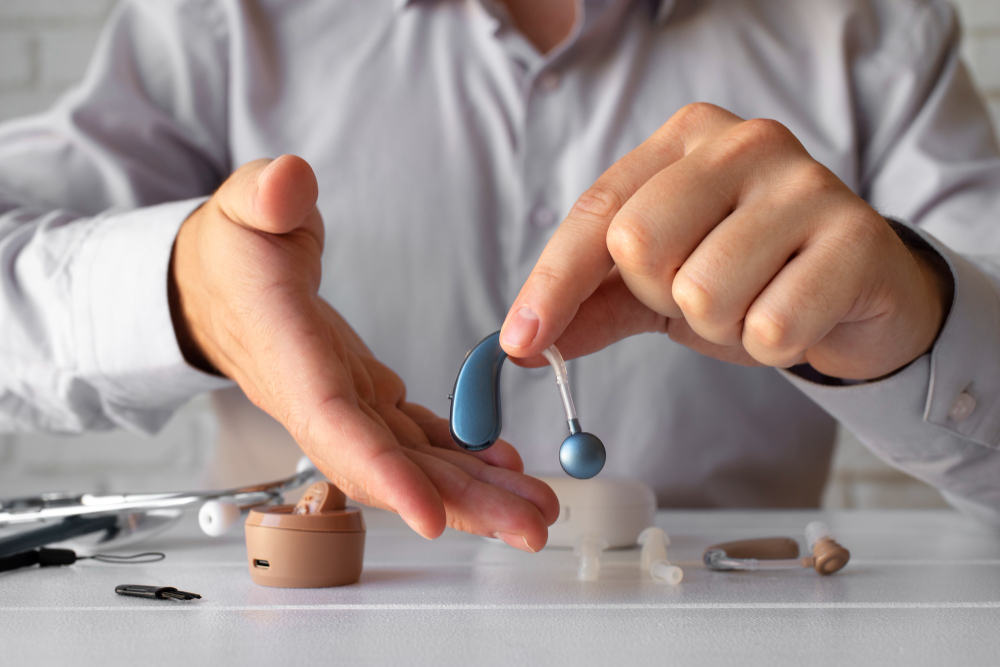
Introduction: Hearing Loss and the Limits of Hearing Aids
Hearing loss affects millions of people worldwide. For many, hearing aids make sounds louder and clearer. However, sometimes hearing aids don’t work well enough. In these cases, cochlear implants can offer hope. According to the World Health Organization (WHO), over 5% of the world’s population has disabling hearing loss. While hearing aids help many, some people need more advanced hearing loss solutions.
Signs That Hearing Aids May Not Be Enough
Sometimes, hearing aids cannot provide clear sound. You might notice certain signs that your hearing aids are not enough. For example, you may:
If you notice these problems, it may be time to explore other options. In fact, many people with severe hearing loss face these challenges daily.
What Are Cochlear Implants?
Cochlear implants are small electronic devices. They help people with severe or profound hearing loss. Unlike hearing aids, which make sounds louder, cochlear implants send signals directly to the hearing nerve. This allows the brain to understand sounds more clearly. The device has two main parts:
Because cochlear implants work differently from hearing aids, they can help when hearing aids don’t work well enough.
Who Is a Candidate for Cochlear Implants?
Not everyone with hearing loss needs a cochlear implant. However, you may be a candidate if:
Children and adults can both benefit from cochlear implants. Still, a hearing specialist will do tests to see if this is the right choice for you.
Benefits and Potential Risks of Cochlear Implants
Cochlear implants offer many benefits. For instance, they can:
However, there are some risks. Like any surgery, there can be infection or swelling. Sometimes, the implant may not work as expected. Rarely, you may lose any remaining natural hearing in the implanted ear. According to the CDC, most people do well, but it is important to discuss risks with your doctor.
The Cochlear Implant Process: Evaluation, Surgery, and Recovery
Getting a cochlear implant involves several steps. First, you will meet with a hearing specialist for tests and counseling. Next, if you are a good candidate, you will have a simple surgery. The surgeon places the implant under your skin and inside your ear. After surgery, you will need time to heal. Then, the device will be turned on and adjusted. You will also work with experts to learn how to use your new hearing. This process takes time, but many people notice big improvements.
Lifestyle Guidance and Tips for Living With Cochlear Implants
Living with cochlear implants can bring positive changes. To get the most benefit, you can:
With time and practice, many people adjust well to their cochlear implants.
Prevention and Hearing Health Tips
Even if you do not need a cochlear implant, it is wise to protect your hearing. Here are some tips:
Good hearing habits can help prevent further loss and keep your ears healthy.
Conclusion: Take the Next Step for Better Hearing
If hearing aids are not enough, cochlear implants may help you hear better. Many people find new joy in sounds and conversations after getting an implant. For the best advice, consult a hearing specialist.
Every condition requires a personalized approach. Dr. Sai Rohit Ganji can guide you through available options and help you make an informed decision.